
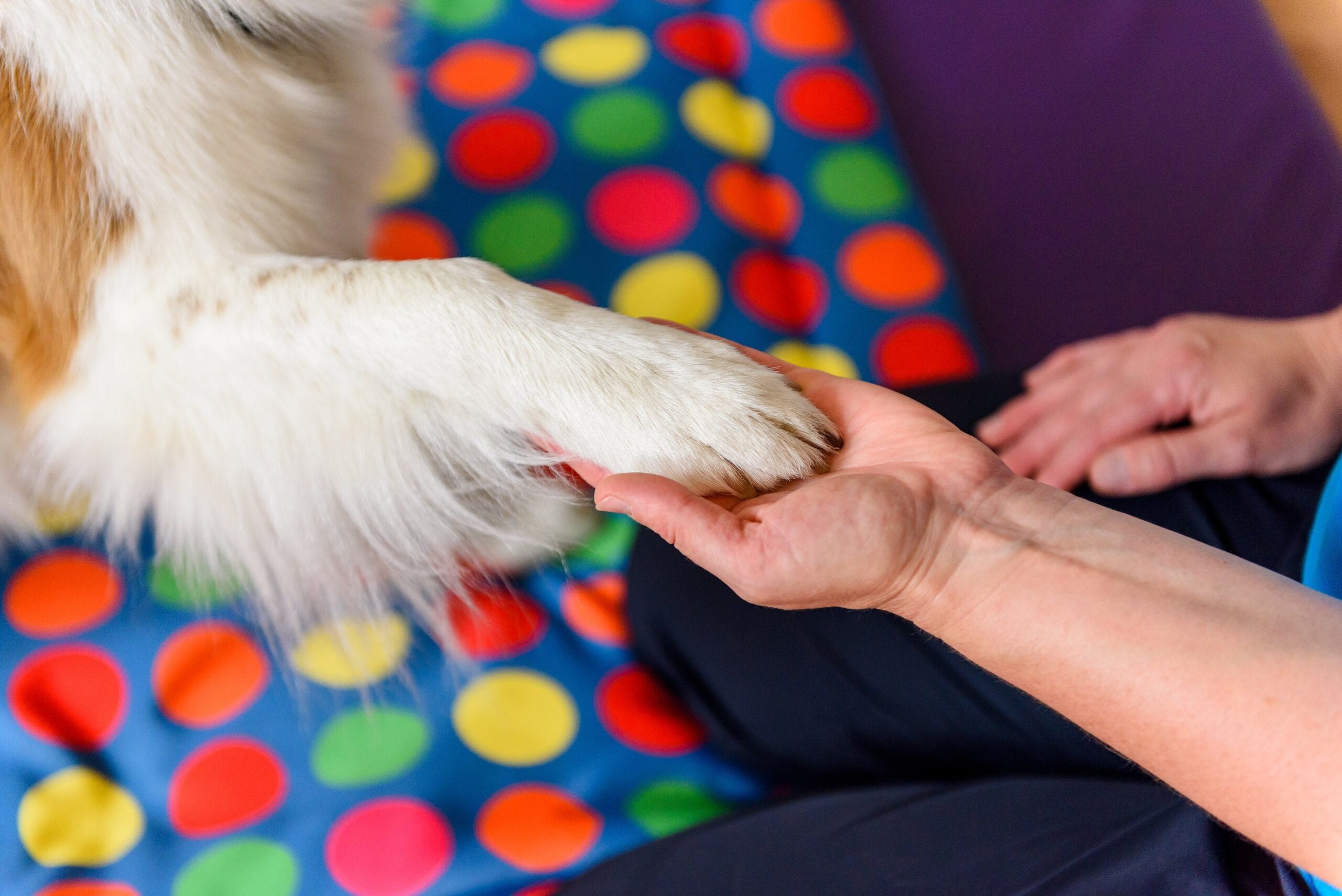
How to nurture collaborative veterinary relationships and passionate owner advocates for a resilient, sustainable practice.
Are you a qualified canine therapist wondering where next month’s new patient referrals will come from?
If you have ever felt uneasy about marketing your practice, you are certainly not alone.
Most business advice pushed at canine therapists is borrowed straight from the corporate sales playbook. Conventional marketing coaches urge you to build complex sales funnels, post daily on social media and drop glossy flyers into local veterinary clinics.
Yet for veterinary physiotherapists, clinical hydrotherapists and canine rehabilitation practitioners, this advice feels completely alien. In fact, it often feels ethically jarring.
We do not sell commodities. We provide a professional healthcare service governed by veterinary legislation, clinical reasoning and animal welfare.
When business advice clashes with professional integrity, therapists understandably withdraw. As a result, referral generation falls to the bottom of the list, leaving the practice vulnerable to quiet months and diary volatility.
Fortunately, there is a far more natural, grounded and sustainable way to build a thriving clinic.
A resilient practice is not built by shouting into the digital noise or cold-calling busy veterinary practices. Instead, it is cultivated through a quiet, powerful circle of confidence and trust linking three core partners: the veterinary surgeon, the dog and the owner.”
The Circle of Confidence and Trust
True practice growth is not an aggressive sales pipeline. It is a living, circular feedback loop where confidence and trust flow naturally between three core partners: the veterinary surgeon, the dog and the owner.
When you understand how these three relationships nurture one another, you no longer need to “pitch” your services. Clinical gravity takes over:
- The Veterinary Surgeon’s Trust: The vet understands exactly what clinical services you provide, respects your professional boundaries and feels completely confident referring patients into your care.
- The Dog’s Trust in the Clinic: Through effective Therapeutic handling, consensual touch and reading subtle body language, the canine patient feels safe, comfortable and willing to participate in their rehabilitation.
- The Owner’s Witnessed Trust: The owner witnesses their dog in an engaged, active state, moving willingly and progressing under your skilled guidance. That witnessed transformation creates unbreakable client confidence in you, the therapist.
Once an owner experiences this firsthand, they become your most powerful advocate. They return to their veterinary surgeon and enthusiastically report how brilliant the therapeutic experience and impact was. Furthermore, they share their experience with fellow dog owners on daily walks, in training classes and across local community groups.
That organic word-of-mouth feeds directly back into the veterinary clinic, reinforcing the vet’s confidence and opening the door to the next referral.
1. Veterinary Confidence: Clarity, Scope + The Professional Loop
Veterinary surgeons are busy clinicians carrying heavy caseloads and ultimate legal responsibility for the animals under their care. They do not have time to decipher vague marketing slogans nor do they refer based on personal favours. They refer because of clinical competence, patient safety and regulatory compliance.
To foster lasting veterinary confidence, focus upon three essential foundations:
Plant Your Clinical Flag
Do not try to be everything to everyone. Veterinary surgeons first need to understand the core therapeutic modalities and clinical services you deliver:
- Terra (Land-Based) Veterinary Physiotherapy: Do you deliver structured therapeutic exercises, electrotherapy (such as laser therapy), targeted manual techniques and functional rehabilitation programmes?
- Canine Hydrotherapy + Aquatic Therapy: Do you provide clinical underwater treadmill rehabilitation, pool-based aquatic therapy and therapeutic showering techniques?
- Integrated Dual-Modality Care: Do you hold dual or multiple qualifications, enabling you to combine terra (land) physiotherapy with aquatic rehabilitation under one cohesive, continuous treatment plan?
Today, many therapists within the industry may hold multiple professional qualifications. For example, canine veterinary physiotherapy, canine clinical hydrotherapy, nutritional and behavioural qualifications.
Clearly communicating your current scope of practice alongside the specific facilities and equipment you offer allows referring veterinary surgeons to immediately identify how your services complement their own medical and surgical care pathways.
Remove Friction from the Referral Pathway
Make referring to your practice completely effortless. If a busy veterinary practice has to chase missing paperwork or wonders whether a patient was ever booked in, the referral pathway stalls.
Provide straightforward digital consent forms, request essential clinical history from the vet and contact the owner promptly to schedule their initial appointment. When veterinary receptionists and nurses know that referring to you is seamless, reliable and fast, your clinic becomes their first choice.
Close the Professional Loop
The single most effective way to turn a one-off referral into a career-long clinical partnership is closing the loop.
Always provide a concise, structured clinical update following your initial assessment:
- Summarise your objective assessment findings, functional problem list and measurable rehabilitation goals.
- Use a clear communication framework (such as SBAR: Situation, Background, Assessment, Recommendation) that respects the vet’s time.
- State clearly that you are working collaboratively under their veterinary direction and notify them immediately if you identify any clinical red flags.
- Send a structured discharge summary when the rehabilitation or treatment plan concludes.
Navigating Veterinary Turnover
In modern practice, particularly in rural areas and corporate veterinary groups, veterinary surgeons frequently move between clinics. While this can feel unsettling, it actually presents a wonderful opportunity.
When you cultivate genuine professional relationships with individual clinicians based on clear reporting and excellent outcomes, their confidence in you does not disappear when they change practices. Their trust travels with them. Frequently, a departing vet introduces your practice to their new clinical team, organically expanding your professional reach across neighbouring regions.
2. The Canine Experience: The Heartbeat of Client Trust
You can have the most polished website in the region, but if a dog is stressed, fearful or handled with excessive coercion or restraint, client trust evaporates. The owner may not voice it within or after the session, however they will rarely attend the follow-up session and often seek an alternative practice.
Canine therapy must always be consensual. When you implement canine Therapeutic Handling techniques using mindful touch and positive movement enrichment – rather than general animal handling approaches that risk overhandling the dog – each owner will grow in confidence. They will be delighted that their dog, no matter how behaviourally challenged within the clinic, actively chooses to engage and work with the therapist in willing partnership.
Owners know their dogs intimately. They notice when their dog walks eagerly through your clinic door, focuses on you and wants to participate, following your mindful therapeutic guidance throughout the session.
That visible, willing partnership is the emotional bridge between the owner and your clinical expertise. The owner does not just hear about your skills, experience and qualifications; they witness the dog’s confidence in you. That witnessed trust transforms a regular client into a lifelong practice champion.
3. Nurturing Your Client Advocates (Demystifying the “Data Bank”)
In corporate marketing, people often talk about building a “data bank” or a customer database. For many caring therapists, that phrase sounds cold and clinical.
In canine healthcare, your data bank is simply your living community of established clients.
These are owners who have walked the rehabilitation or treatment journey with you. They have celebrated their dog’s recovery, improved conditioning and fitness, experienced your clinical empathy and know the high quality of your canine care. They are your most valuable ambassadors.
Yet all too often, once a dog’s active treatment course concludes and they are discharged, communication stops completely. The relationship quietly fades away.
Nurturing your referral network means staying connected with your client base long after their formal therapy sessions finish, providing quiet, continuous value without selling:
- Create an Owner Advice Hub: Provide access to educational articles, home exercise refreshers or joint care guides on your website.
- Share Seasonal Guidance: Send thoughtful, non-sales advice, such as autumn warm-up routines, winter arthritis management tips or summer water safety reminders.
- Acknowledge Milestones: Check in on key post-discharge anniversaries (e.g., “It has been six months since Baxter’s spinal surgery recovery – how is his daily mobility progressing?”).
When you nurture your client community with genuine care, you stay at the forefront of their minds. When they encounter another dog owner on their daily dog walk who mentions their Labrador is slowing down or limping, your client will passionately recommend your clinic.
Furthermore, when that owner brings another pet home in the future, they will naturally return to you.
4. The Strength of Small, High-Trust Numbers
There is a persistent myth that to run a successful practice, you need hundreds of new client enquiries every month.
For a solo practitioner or a small clinic team, chasing massive volume is not only unnecessary; it is a direct path to physical exhaustion and clinical burnout.
You do not need dozens of veterinary practices referring to you. In reality, a sustainable, peaceful and resilient practice requires only:
- 5 to 8 engaged veterinary surgeons who deeply trust your clinical reasoning and consistently refer cases: including post operative cases, orthopaedic and neurological cases, athletic dogs and senior dogs.
- A loyal, nurtured client community of established owners who regularly advocate for your services.
Focusing upon small, high-trust relationships allows you to manage your clinical diary realistically. You can allocate adequate time for thorough assessments, maintain comprehensive patient notes and protect your own physical energy. Quality of care always creates longevity for both patient and practitioner.
Progressing Your Practice with K9HS
To support qualified practitioners in moving from reactive firefighting to calm, structured practice growth, we created one of our signature portfolio courses inside the K9 Therapy Hub:
Optimise Your Business Goals: 12 Hours of Certificated CPD Study
Written by Barbara Houlding with over four decades of clinical and business experience in canine physiotherapy and hydrotherapy, this comprehensive course gives you practical, ethical tools:
- The Practice Ethos Blueprint: Clarify your clinical compass and plant your flag with confidence.
- MDT Networking Protocols: Step-by-step guidance and downloadable templates for veterinary consent, SBAR reports and discharge summaries.
- Client Communication Architecture: Ethical ways to nurture your client community and provide continuous value post-discharge.
- Clinical KPI Dashboard: Monitor patient outcomes, referral rhythms and diary health without corporate business jargon.
- Practitioner Wellbeing Framework: Strategies to protect your physical health, manage clinical boundaries and ensure practice longevity.
Ready to Nurture Your Referral Network?
Growing your canine therapy clinic does not require awkward cold calls, high-pressure sales or endless social media posting.
Focus upon building authentic confidence and trust. Communicate clearly with your local veterinary surgeons, let your Therapeutic Handling techniques of dogs speak for themselves and stay connected with the owners who already value your work.
When you nurture these relationships with care and integrity, your practice will flourish organically, sustainably and with deep clinical satisfaction.
- Explore the Full Portfolio Course Curriculum: Optimise Your Business Goals
- Join the K9 Therapy Hub: Explore the K9 Therapy Hub
Produced, owned and copyright to Barbara Houlding – K9HS Courses. All Rights Reserved.
Advance Your Clinical Practice
Ready to progress your clinical practice? Join a global community of canine professionals in the K9 Therapy Hub for evidence-based CPD, clinical resources and peer support.